(262) 000-0000
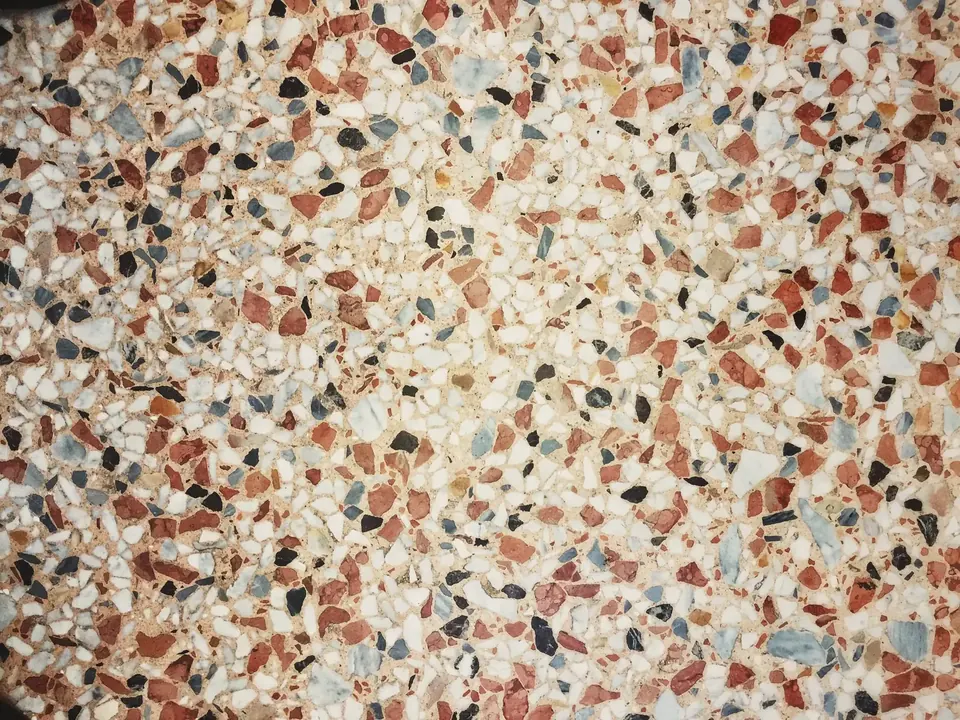
Close-up of a terracotta, cream and charcoal flake floor

Decorative flake flooring in Brookfield, WI

Flake floors: the finish that looks clean even when it is not

Thousands of colored chips, locked under clear resin. A flake floor adds color, texture and thickness in one system, and it is the most practical finish we install.

  • Often a 1-day install
  • Dozens of blends
  • Natural slip resistance
  • Hides slab repairs

Questions answered

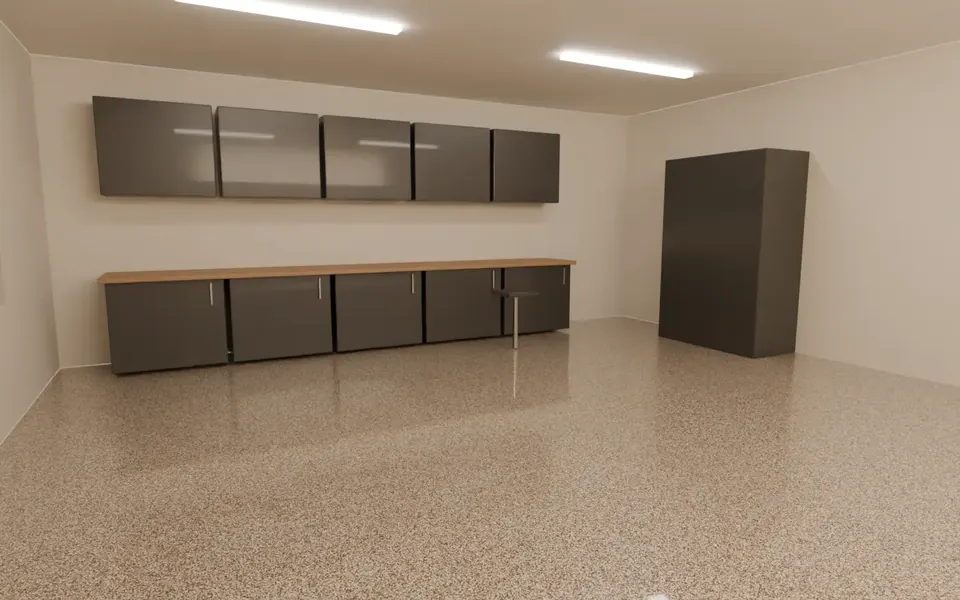
Rendering of a garage with a flake floor and dark cabinets

Anatomy of a flake floor

A decorative flake system has three parts, and each one has a job.

The base coat is a pigmented resin rolled onto ground concrete. It bonds the system to the slab and provides the background color, which is chosen to blend with the chips.

The flake is a mix of thin, colored vinyl chips. They are broadcast by hand into the wet base until the floor is completely covered. As the base cures, it grips the bottom layer of chips. The loose ones on top are swept away.

The topcoat is a clear, hard resin, usually polyaspartic. It flows over and between the chips, seals them and gives the floor its resistance to scratches, chemicals and sunlight.

What you end up with is a floor that is a good deal thicker than a plain coating, with a random, multi-color pattern that looks like stone and a fine texture you can feel under your shoes.
Why flake is the practical choice

We recommend flake more than any other finish, and the reasons are all practical.

  • It disguises everyday dirt. A random pattern in several tones means dust, grit and small debris do not stand out. The floor looks presentable between cleanings.
  • It gives you traction without a rough surface. The edges of the chips create a subtle texture beneath the clear coat. It grips when wet and is still easy to mop.
  • It covers a multitude of slab sins. Patches, filled cracks, old stains and uneven color all disappear under full coverage.
  • It adds body. The chip layer increases the thickness of the floor, which helps it resist impact from dropped tools and weights.
  • It installs fast. With fast-curing resins, the whole system can go down in a day.
  • It is easy to repair. If an area is ever damaged, it can be patched and blended almost invisibly because the pattern is random.

Picking a blend

There are more options than most people expect. Here is how we help narrow them down.

Start with the fixed colors

Look at what will not change: the garage door, trim, siding, cabinets or wall color. Cool greys and whites call for grey-based blends. Brick, tan and cream exteriors look better with warm blends that include beige or terracotta.

Decide how much contrast you want

Blends with black and white chips are lively and hide the most. Tone-on-tone blends are calmer and more refined, and they suit interiors.

Think about salt and dust

Medium-value blends are the most forgiving. Very dark floors show salt haze and dust. Very light floors show tire marks and mud.

Choose a chip size

Quarter-inch is standard for garages. Smaller chips produce a finer, more uniform look for basements and commercial floors. Larger chips have a bolder, more casual character.

Consider an accent

A small percentage of a single accent color, such as blue, green or a metallic chip, can personalize a neutral blend without overwhelming it.

Look at samples in place

Colors shift under different light. A board that looks grey in a showroom can look blue in a north-facing garage. We always compare samples on site.

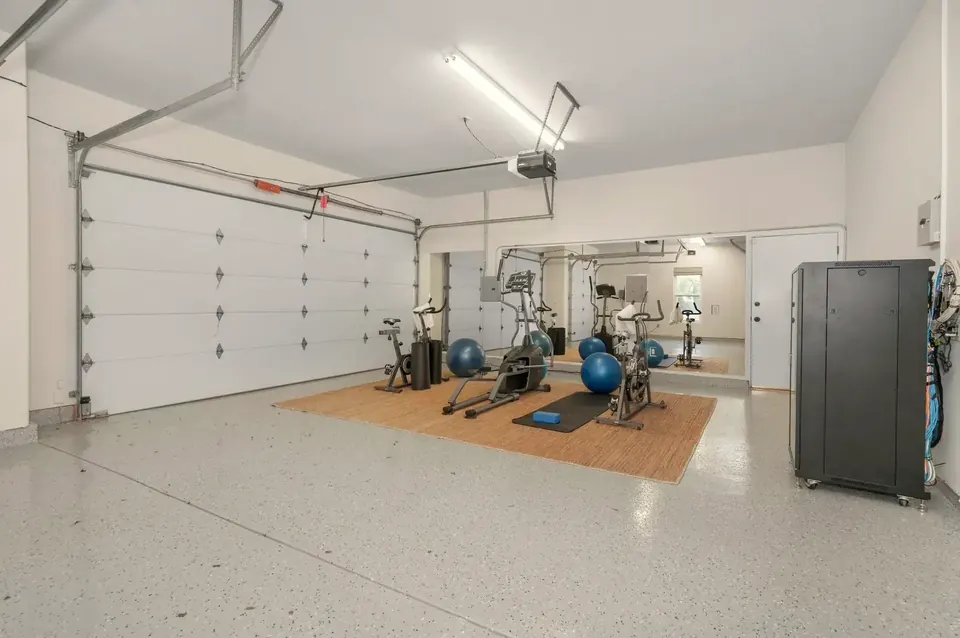
Garage gym with a grey flake floor and cabinets

Where flake floors fit

Garages are the natural home for flake. The texture handles wet tires and boots, and the pattern hides what the cars bring in.

Basements and lower levels look good in micro-flake, which gives a tighter pattern with a smoother feel.

Laundry rooms, mudrooms and utility spaces benefit from the same durability in a small footprint.

Covered porches and patios can take a flake system when it is finished with a UV-stable topcoat and extra traction. See outdoor concrete coatings.

Commercial floors such as retail shops, clinics, restrooms, locker rooms and break rooms use flake for its combination of appearance and low upkeep. Our commercial epoxy floors page has more.

The broadcast, step by step

  1. 1

    Grind and vacuum

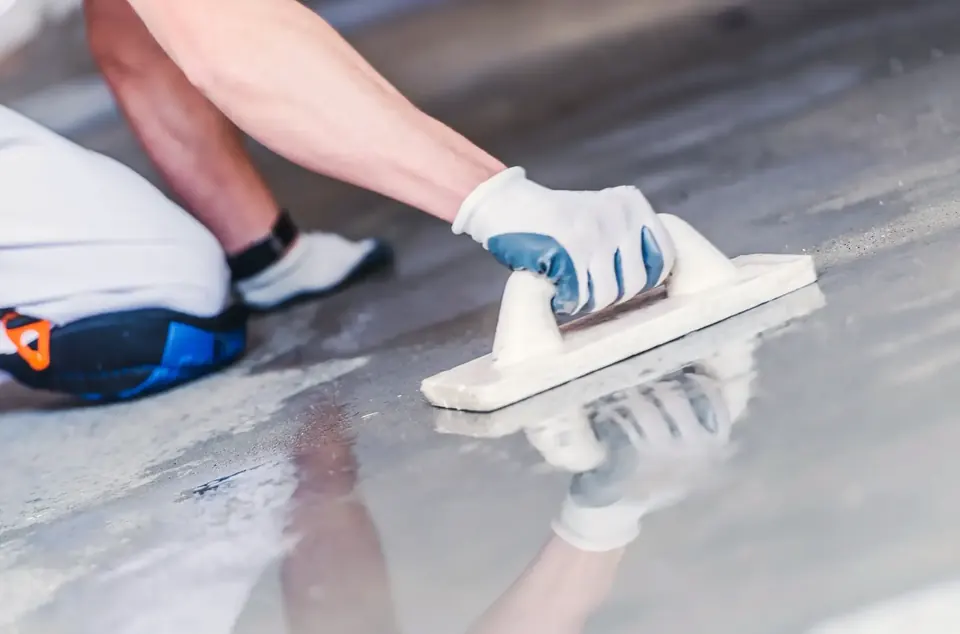
    The slab is mechanically profiled so the base coat can soak in and hold.

  2. 2

    Fix the surface

    Cracks and pits are filled and leveled. Flake hides color differences, but it does not hide dips and ridges.

  3. 3

    Roll the base

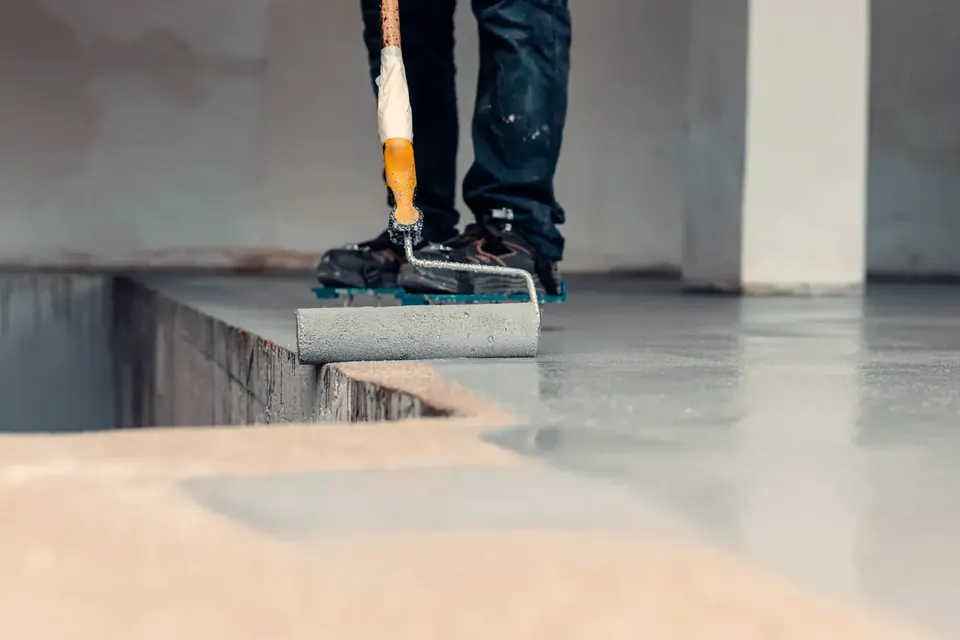
    The base coat is applied in manageable sections so it stays wet long enough to accept flake.

  4. 4

    Throw the flake

    Chips are tossed upward so they rain down evenly. We broadcast until the entire surface looks dry.

  5. 5

    Sweep, scrape, vacuum

    After the base sets, loose chips are recovered and the floor is scraped flat in two directions.

  6. 6

    Clear coat

    One coat leaves more texture. Two coats give a smoother, glossier surface that is quicker to mop.

Small details, big difference

Flake is forgiving to look at, and that sometimes leads people to think it is easy to install. The details say otherwise.

Coverage has to be even. Thin areas, where less flake landed, show up as dull patches after the clear coat. Heavy ridges, where chips piled up, become rough spots. An experienced hand keeps the broadcast consistent from corner to corner.

Scraping is easy to rush. A floor that is under-scraped has chips standing on edge, which feel sharp and trap dirt. A well-scraped floor feels like fine orange peel.

Topcoat quantity is a balance. Too little leaves chip edges exposed, and they can catch and lift. Too much floods the texture and makes the floor slick. We measure material to the square footage and adjust for how absorbent the flake layer is.

And all of it rests on the base bonding to the concrete, which comes back to grinding and moisture testing.

Curious which blend suits your home?

We bring the sample boards to you. It takes a few minutes to see what works.

Flake floors and Brookfield living

Many Brookfield homes have light exteriors, stone accents and white or grey garage doors. Cool grey blends with a touch of white are a safe, handsome match for those. For brick colonials and homes with warmer trim, we often suggest a greige or tan blend so the floor does not look cold next to the house.

For winter, we like a single clear coat in garages. It keeps more of the chip texture, which makes a real difference when snow is melting off the cars. In basements, where the floor stays dry and is mopped more often, a second coat is usually the better call.

Because flake pairs so well with fast-cure resins, it is also the finish we can install latest into the fall and earliest in the spring. If you want the garage done before the first salt goes down, this is the system that makes it possible.

Looking after a flake floor

Sweep or blow out loose grit as needed. Mop with warm water and a small amount of neutral cleaner. In the garage, squeegee meltwater toward the door in winter and give the floor a thorough rinse in spring. That is all it asks for.

One coat or two on top?

It sounds like a small decision, and it changes how the floor feels. With a single clear coat, you can feel the outline of the chips underfoot. Traction is excellent, which is what you want where cars drip snowmelt. With two clear coats, the surface fills in and becomes smoother and glossier. Mops glide and bare feet are comfortable, which is what you want in a basement or laundry room. We will show you samples of both so you can feel the difference before you decide.

Flake flooring questions

What people want to know before choosing a flake floor.

How long will a flake floor last?

A properly installed system on sound concrete lasts for many years in a home. The clear topcoat takes the wear. If it eventually dulls in the main traffic path, it can be recoated without disturbing the flake.

Is it really a one-day job?

Often, yes, when fast-curing base and topcoat resins are used and the slab does not need heavy repair. Epoxy-based flake systems take two days.

Can I have a border or two colors?

Yes. Borders, a different blend in a workshop bay, or a solid-color strip along the walls are all possible. They add some layout and masking time.

Does the texture make it hard to clean?

No. The texture is fine and sealed, so dirt does not lodge in it. A microfiber mop or a soft-bristle deck brush works well.

Will the colors fade?

The chips are colorfast, and a polyaspartic topcoat does not yellow in sunlight. The floor will look the same near the door as it does at the back wall.

What is underneath if a chip does come off?

More chips and the tinted base coat, so there is no bare concrete to see. Loose chips are rare on a properly sealed floor and are simple to touch up.

Can flake go over an existing coating?

Sometimes, if the old coating is firmly bonded. More often we remove it, because the new floor is only as secure as what it is stuck to.

Request a quote

See the blends in your own space

Tell us where the floor is going. We will bring sample boards, hold them against your walls and doors and help you settle on a blend.

  • On-site look at the slab, not a guess from photos
  • Finish samples you can see in your own light
  • Scope, schedule and price in writing

Rather talk it through? (262) 000-0000