Retail and showrooms
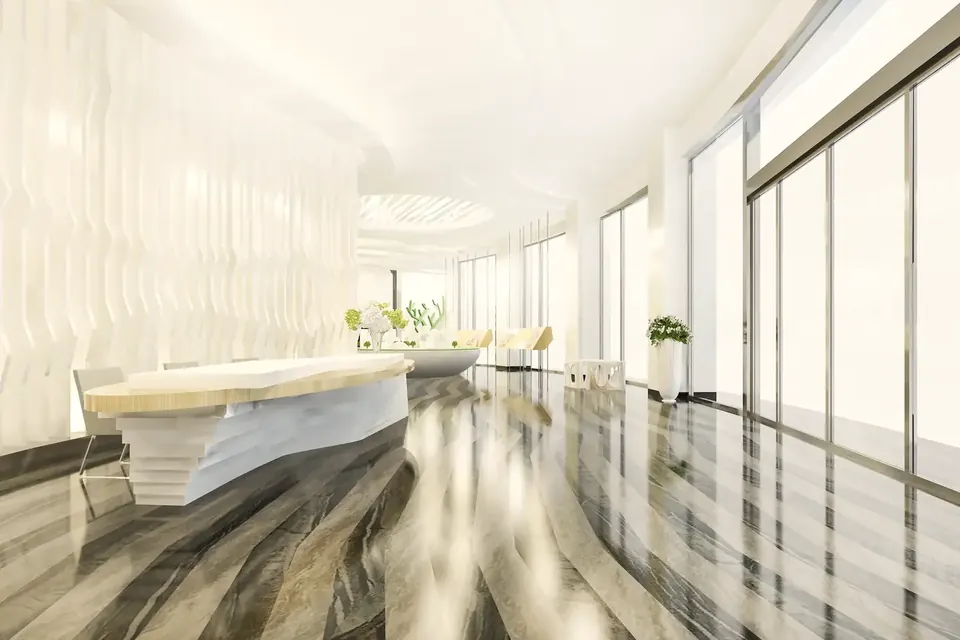
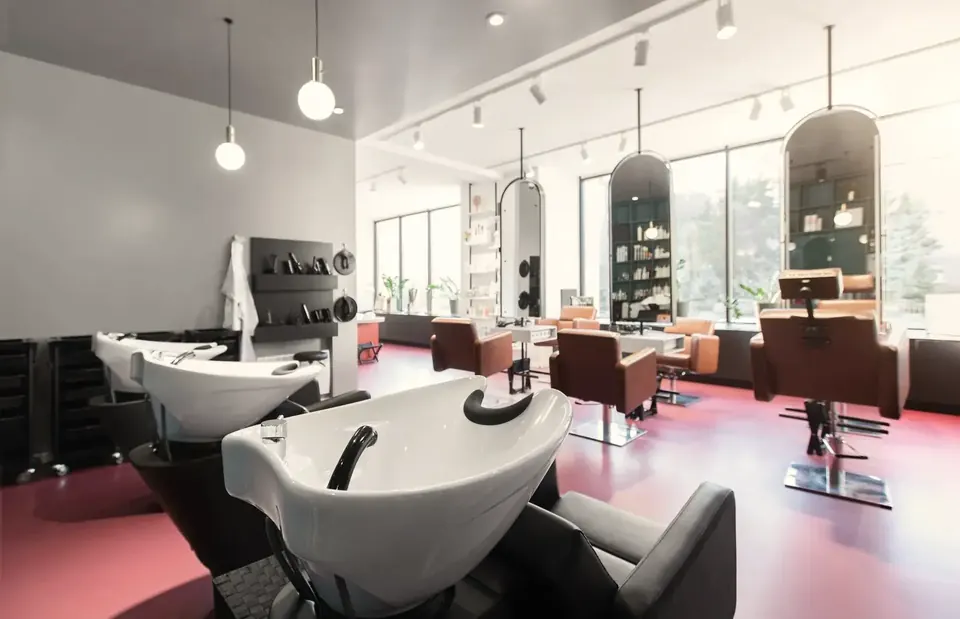
Solid-color, flake or metallic finishes with a scratch-resistant urethane topcoat. Gloss draws attention to merchandise. Satin hides scuffs.
Request a quote
Four quick details are enough to start. We will follow up to arrange a visit.
Or call (262) 000-0000
Commercial epoxy floors in Brookfield, WI
Brookfield businesses compete on presentation. We install seamless resin floors that look sharp on opening day, clean quickly every night and hold up to the traffic in between.
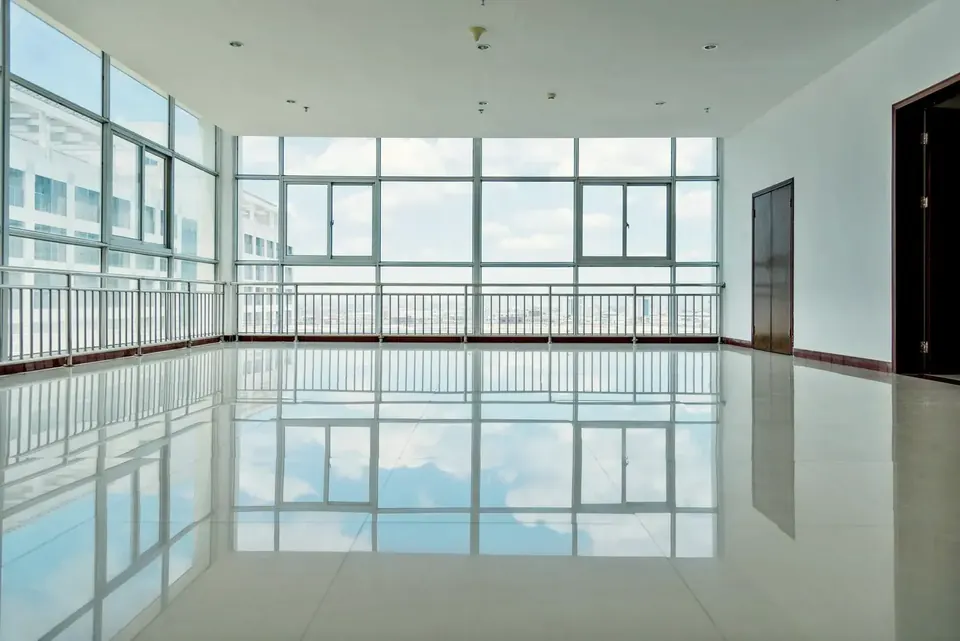
For a commercial tenant or owner, flooring is not about taste alone. It affects how customers see the business, how long cleaning takes each night, how often the space has to close for repairs and what the build-out costs over a ten-year lease.
Resin floors do well on each of those measures. They are continuous, so there are no tile edges to curl or grout lines to darken. They are non-porous, so spills and tracked-in grime clean up fully. They are available in almost any color and in finishes from matte to mirror. And when they do eventually wear, they are renewed with a topcoat instead of being torn out.
Along Bluemound Road, around Brookfield Square and through the office parks near I-94, there is a wide mix of commercial space. We approach each one by asking how the floor will be used, cleaned and seen, and then build the system around the answers.
Solid-color, flake or metallic finishes with a scratch-resistant urethane topcoat. Gloss draws attention to merchandise. Satin hides scuffs.
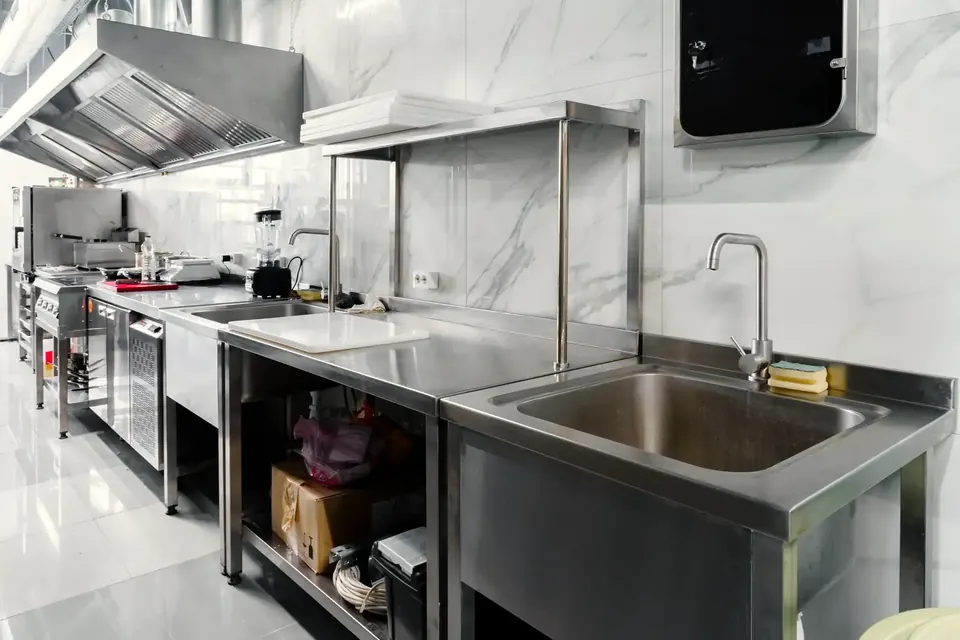
Seamless flake or quartz with integral cove base. Smooth enough to disinfect easily, textured enough to be safe.
Stain resistance matters here because of hair color and treatments. We specify chemical-resistant topcoats and a finish that suits the design.
Quartz broadcast in kitchens and behind bars for grip and heat tolerance. Decorative finishes in dining areas.
Satin solid colors or soft metallics that read as polished concrete without the dusting.
Durable, grippy floors for studios, locker rooms and entries, compatible with rubber flooring in weight areas.
Nobody wants to close. Most of our commercial planning is about keeping that to a minimum.
Phasing. Larger floors are divided into sections. We complete one while the others stay in use, then switch. Customers and staff are routed around the work area with barriers and signage.
Off-hours work. Grinding is the noisy part. We schedule it for evenings, early mornings or weekends. Coating itself is quiet.
Fast-cure materials. Polyaspartic and polyurea resins cure in hours. A small shop can be prepared after closing on Saturday and opened on Monday. A single restroom or corridor can turn around overnight.
Coordination. On new build-outs and remodels we work to the general contractor's schedule and sequence our work with the other trades, generally after overhead work is finished and before fixtures and millwork are set.
We put the plan in the proposal so you know which areas will be closed and for how long before you commit.
One practical note: the fastest schedule is not always the best one. A floor that is given its full cure before heavy fixtures, rolling racks or kitchen equipment go back will look better for longer. Where the calendar allows an extra day, we will usually suggest taking it, and where it does not, we choose materials that can handle an early return to service.
Slab testing, measurements and a discussion of traffic, cleaning methods and any chemicals used on site.
Existing tile, carpet, adhesives or coatings are removed and hauled away.
Grinding or shot blasting to the profile the system requires, with dust controlled at the source.
Cracks, joints, drains and transitions to adjacent flooring are addressed.
Primer, build coats, decorative layer and wear coats, plus cove base if specified.
A walkthrough, cure schedule and a care sheet for your cleaning staff.
Commercial failures are costly because they happen in public and interrupt revenue. Most of them come from a short list of causes.
One is moisture. Slabs in commercial buildings, particularly older ones and those recently poured, can carry more moisture than a coating will tolerate. Testing before specifying is essential.
Another is mismatched materials. A general-purpose epoxy in a commercial kitchen will be damaged by hot oil and aggressive degreasers. A decorative finish without a proper wear coat will scratch quickly under stools and carts.
A third is rushing. Coating over a primer that has not cured, or reopening a space before the floor can take traffic, leaves marks that cannot be undone.
We test first, specify for the exposure and set a realistic schedule. And we document the installation, so you have a record of products, colors and maintenance requirements for the life of the lease.
Bring us in early. It is much easier to plan the floor before fixtures and equipment are ordered.
Retail and service businesses here deal with a long season of tracked-in snow and salt. The entry is where floors take the most punishment, and where a wet, slick surface is a liability. We design entries with more texture and a harder wear coat, and we strongly suggest recessed or roll-out matting for the winter months.
Many commercial buildings in the area date from the 1970s through the 1990s. Under the carpet or tile there are often layers of old adhesive, patching compound and sometimes a slab with no vapor barrier. Those conditions are manageable when they are known in advance, which is why we test and scrape a few inspection areas before quoting.
For restaurants and food businesses, we recommend sharing the proposed floor specification with the local health department during plan review. Seamless floors with cove base are well accepted, and confirming details early avoids surprises at inspection.
Dust mop daily. Scrub with a neutral cleaner on a schedule suited to your traffic. Use walk-off mats at entrances and protective glides on furniture. Do not apply wax or acrylic finish. When traffic lanes eventually dull, a maintenance topcoat restores the sheen in a night or a weekend.
You do not need all of this in hand to contact us, but having it speeds things up and leads to a more accurate proposal.
If the project is part of a larger build-out, a set of plans and the name of the general contractor help us fit into the schedule.
What business owners and property managers ask us.
It depends on size and system. Small spaces are often completed over a weekend. Larger ones are phased so part of the floor is always open.
We nearly always remove it. Coating over tile leaves grout lines visible and relies on the old adhesive, which is not a sound foundation.
With the right topcoat, yes. We choose stain-resistant wear coats for salons and food service and recommend prompt cleanup of strong dyes.
We can provide textures suited to accessible routes and wet areas. If your project has a specific requirement, share it and we will specify to it.
A properly specified commercial floor typically serves for many years, with periodic topcoats in the busiest areas extending that further.
Yes. Logos and wayfinding graphics can be embedded beneath the clear coat so they do not wear off.
We do. A scheduled recoat every few years is the most economical way to keep a high-traffic floor looking new.
Keep exploring
Request a quote
Tell us about the space, how it is used and when it can be closed. We will come out, inspect the slab and propose a system and a schedule.
Rather talk it through? (262) 000-0000